safe_water
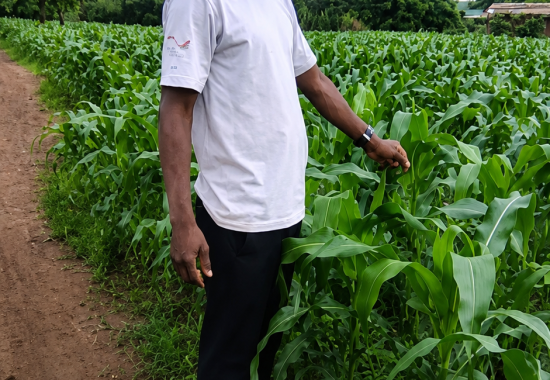
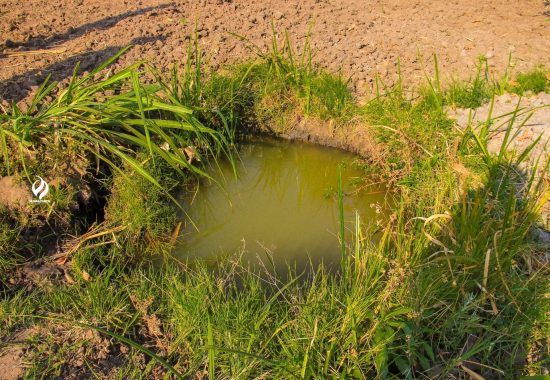
WASHI is dedicated to ending WASH poverty and increasing access to clean and safe drinking water, and restoring gender dignity and respect. The Trust’s initiative comes as a result of the realisation that there will be no climate justice if ending WASH poverty is not prioritized because water-borne diseases, diarrhoea, worm infestation and skin diseases will continue to cause morbidity and mortality, particularly among children under the age of five, women and the youth will continue to have limited access to climate-smart economic empowerment irrigation technologies. Youths are trained in sinking wells and the construction of the Matech pump to protect water sources from contamination.
pillar2_1
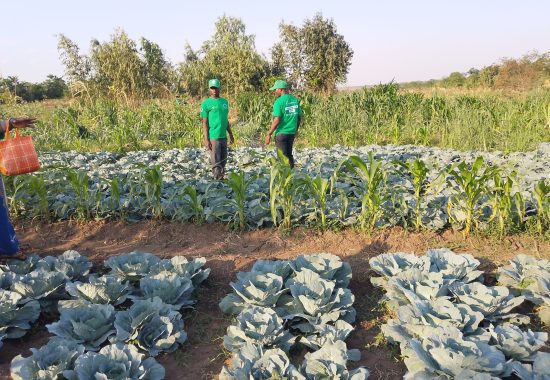
Empowering smallholder farming associations to transition toward sustainable agroecological systems and high-value commercial market gardening. We provide technical training in biological soil health, chemical-free pest management, and intensive bed cultivation to maximize year-round organic yields for local markets.
  1. -Organic composting, bio-pesticide formulation, and soil regeneration training
  2. – High-density market gardening techniques for high-value vegetable varieties
  3. – Local value-chain integration and direct market access for smallholder collectives
pillar3_2
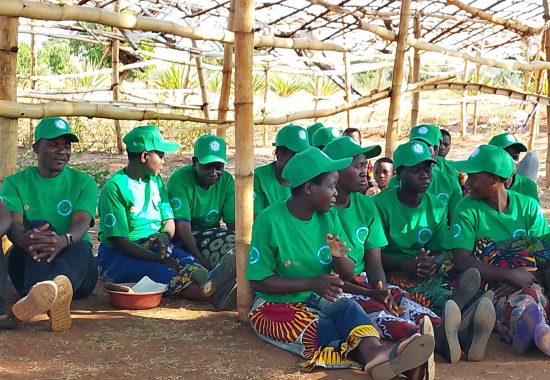
We back structural physical assets with safe financial safety nets. By training and deploying grassroots Village Savings and Loans Associations (VSLAs / Village Banks), we grant marginalized rural mothers, young female caretakers, and vulnerable grandmothers access to micro-capital loans to run independent livelihoods.
  1. -Standardized accounting bookkeeping kit placements
  2. -Grassroots business leadership and financial strategy mentoring
  3. -Secure internal micro-capital contribution tracking books
vip
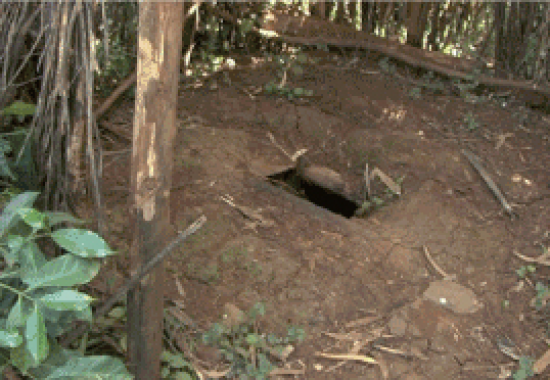
Our engineering teams focus on improving sanitation and hygiene at the family level and upgrade unsafe traditional pit latrines to building Matech Ventilated Improved Pit (VIP) latrines. The WASHI services will also include institutional hubs, early childhood centres, and cluster compounds. The VIP latrines naturally eliminate odours and flies, break structural bacterial paths, and protect water tables from bio-threat contaminants.
  1. -Odorous fly-screen air exhaust chimney mechanisms
  2. -Reinforced structural base concrete pit masonry
  3. -Dedicated early childhood learning center sanitation points
pillar5_5
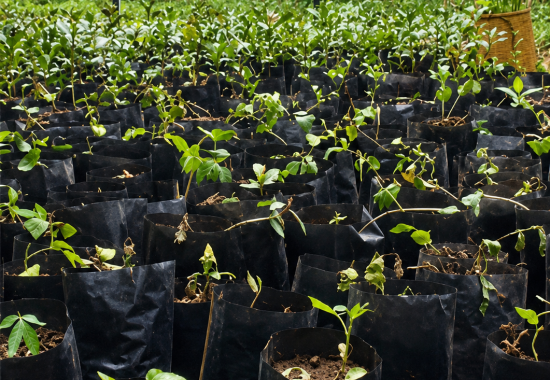
Advocating for environmental equity by mobilizing communities to build climate-resilient, eco-friendly villages that mitigate localized climate impacts. Our teams work closely with village leadership blocks, community coordinators and community captains, implement sustainable green energy alternatives, and protect natural ecosystems from degradation.
  1. -Community-led climate adaptation advocacy and local environmental rights training
  2. -Green village development models featuring clean energy solutions and waste-to-resource systems
  3. -Ecosystem restoration, indigenous/exotic tree planting, and community-managed conservation zones
  4. -Fruit and bee farming
pillar6_4
Unlike standard development programs, our operations leverage high-accuracy remote sensing mapping trackers and precise geospatial data coordination frameworks. By capturing exact field sensor telemetry and community reporting numbers, we instantly isolate down physical infrastructure maintenance gaps before hardware failures hit
  1. -Precise GPS mapping and asset registry logs
  2. -Remote satellite analytics tracking environmental changes
  3. – Open operational performance logs for absolute funding partnership clarity
pillar7_5
Establishing a collaborative innovation hub dedicated to participatory WASH low-cost technology development, agrotech experimentation and adaptive agricultural field research. The center brings together smallholder farmers and technical experts to co-develop, test, and scale localized tools and resilient farming methodologies that optimize yields and water efficiency.
  1. -WASH low-cost technology innovation, performance testing, field installation and construction. [This is the number one point]
  2. -Development and testing of appropriate low-cost tools and micro-irrigation technologies
  3. -Specialized training workshops in climate-smart agronomy and data-driven crop management